Product Description
Product details
| I Deal In | New Only |
| Water Source Type | Industrial Wastewater |
| Country of Origin | Made in India |
| Inlet Water Quality | Borewell |
| Industry | All |
| Material | Semi SS |
| Treatment Technique | RO |
| Capacity | 5000 |
| Installation Type | Complete Civil work with Installation |
| Usage/Application | Industrial |
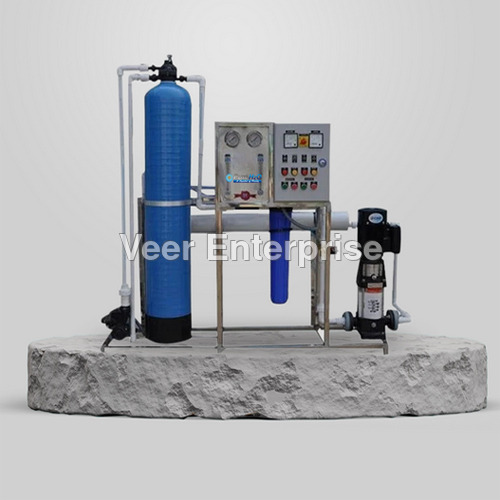
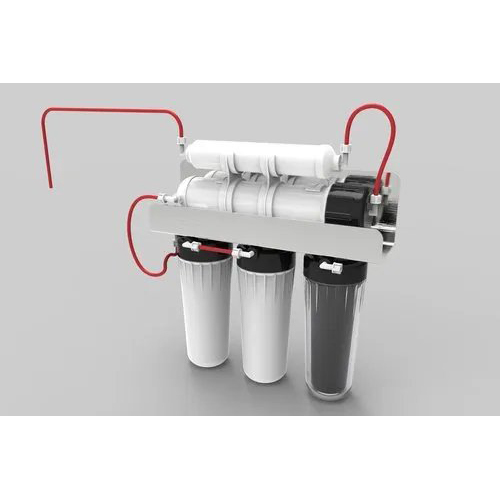
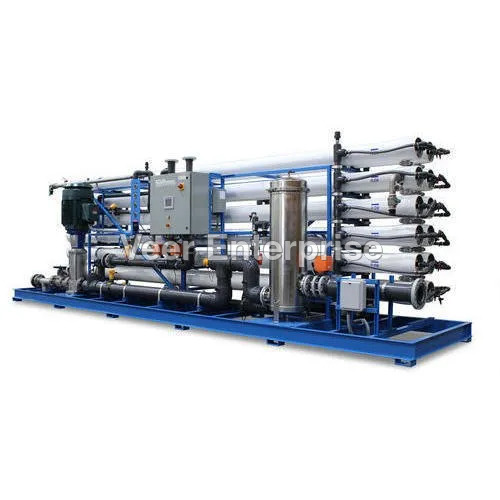
Advanced Purification TechnologyUtilizing reverse osmosis and multi-stage filtration including multi-grade sand filters, activated carbon filters, and high-quality RO membranes, this plant ensures exceptional removal of impurities. The system is engineered to deliver purified water with extremely low conductivity, catering to industries that require precise water quality standards.
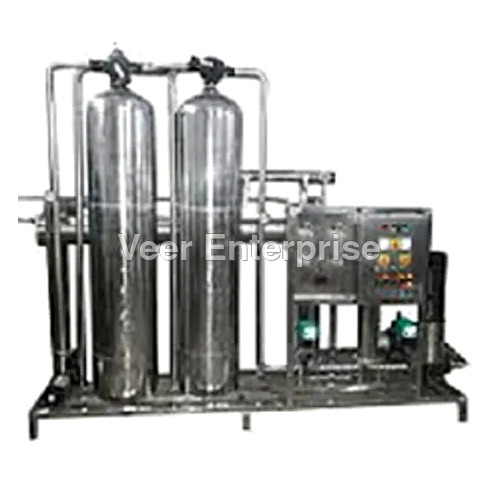
Customizable Capacity and BuildDesigned for flexibility, the plant's capacity ranges from 500 LPH to 50,000 LPH, depending on your requirements. Built on a robust MS powder-coated or stainless steel skid, all material contact parts are corrosion-resistant to ensure durability in varied industrial environments. Storage and control options can be tailored to suit operational needs.
Efficient and User-Friendly OperationEquipped with a PLC-based automatic control system, digital monitoring for TDS, flow, and pressure, and user-friendly interfaces, the system simplifies daily operation and maintenance. Safety features including overload, dry run, and low-pressure protection further safeguard both users and equipment.
FAQ's of High Purity RO Water Plant:
Q: How does the High Purity RO Water Plant achieve such high levels of purity?
A: The plant combines multiple pretreatment steps (sand, carbon, and micron filtration) with advanced RO membrane technology from reputed brands like DOW/Hydranautics. This multi-stage approach removes up to 99% of dissolved ions and reduces water conductivity to below 10 S/cm, meeting the stringent requirements of sensitive applications.
Q: What industries can benefit from using this RO water plant?
A: This plant is ideal for pharmaceuticals, laboratories, electronics manufacturing, hospitals (including dialysis units), and the food & beverage sector. Its high purification capability and customizable features make it suitable for any application that demands consistent high-purity water.
Q: When is periodic maintenance required and how is it managed?
A: Periodic maintenance depends on input water quality and usage frequency. The system's design minimizes maintenance needs with automated cleaning (CIP), chemical dosing, and robust monitoring, ensuring longevity and consistent performance. Maintenance schedules can be easily established based on real-time system data.
Q: Where can the RO water plant be installed and what utilities are required?
A: The plant is skid-mounted for flexible installation and can be set up in industrial, commercial, or healthcare premises. It requires a reliable electric supply (220-420V), a compatible raw water connection, and provisions for both product and reject water outlets. Sizing and connection types are customizable per the customer's site conditions.
Q: What is the process flow from raw water to high-purity output?
A: Raw water first undergoes multi-grade sand and activated carbon filtration, followed by fine micron cartridge filtration. It is then pressurized and pushed through the RO membranes, where dissolved salts and impurities are separated. The purified water is delivered through a user-defined outlet, with reject water safely discharged or recycled as appropriate.
Q: How can users adjust or monitor system operation?
A: Operation is managed through an intuitive PLC-based interface, providing digital display and control of TDS, flow, and pressure. System alarms and automated protection features ensure operators are promptly informed of any concerns, enhancing ease of use and reducing the need for constant supervision.
Q: What are the key benefits of using this fully automatic RO water plant?
A: Beyond delivering water with high purity and customizable output, the plant offers energy efficiency, low noise, safety-focused design features, and minimal manual intervention. It supports continuous operation, reduces maintenance costs, and adapts to diverse industry demands, ensuring reliable pure water supply around the clock.


 Get a Quote




 Send Inquiry
 Send Inquiry
 Send SMS


 English
 Spanish
 French
 German
 Italian
 Chinese (Simplified)
 Japanese
 Korean
 Arabic
 Portuguese