Product Description
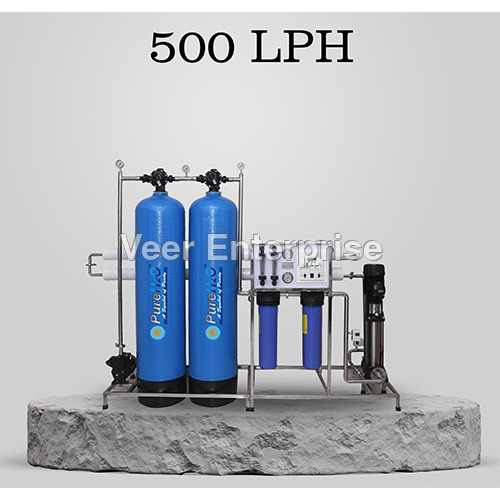
A 150 LPH Industrial Plant, driven and powered by electricity, ensures high-quality water production sourced from ground water. Crafted with precision, it features robust design and construction. This plant guarantees superior performance, meeting industry standards for purity and reliability. Its versatility extends across varied industries needing large-scale water purification, such as manufacturing, pharmaceuticals, and food processing. With its electric drive system, it efficiently processes ground water, removing impurities to deliver clean, potable water. Its crucial role lies in providing a dependable supply of high-quality water, essential for sustaining operations and meeting stringent regulatory requirements.
Advanced Filtration and PurityEngineered with multi-stage filtration-micron, sand, and activated carbon filters-this plant achieves outstanding removal of particulates, chemical impurities, and organics. High-performance RO membranes from renowned brands ensure a salt rejection rate above 97%, resulting in water of exceptional purity and reliable quality for industrial and commercial needs.
Robust Build and User-Friendly OperationMade from high-grade stainless steel (SS304/316) and equipped with UPVC/SS316 piping, the system is built for durability in industrial environments. The plant offers both automatic and manual operation via a user-friendly digital control panel with optional PLC-based control for enhanced automation and system protection features such as low-pressure switches and dry run protection.
Flexible Integration and ServiceThe skid-mounted design allows seamless installation in varied settings. With a choice of storage tank capacities (150-250L) and rapid on-site service within 48 hours, this system is tailored for operational continuity and simple integration. Additionally, automatic backwash and chemical cleaning options ensure low maintenance and consistent performance.
FAQ's of 150 LPH INDUSTRIAL PLANT:
Q: How does the 150 LPH Industrial Plant achieve high purity water output?
A: The plant uses a combination of pre-treatment stages-micron, activated carbon, and sand filters-followed by advanced reverse osmosis membranes (Dow, Hydranautics, or equivalent) which collectively remove impurities, reduce TDS up to 2000 ppm, and produce water with up to 99% purity and a salt rejection rate exceeding 97%.
Q: What process does the water undergo in this industrial plant?
A: Water first passes through pre-treatment filters (sand, activated carbon, micron) to remove various contaminants. It is then forced through a high-pressure RO membrane, which separates pure water from dissolved salts and impurities, delivering low-conductivity water (<10 S/cm) suitable for sensitive industrial applications.
Q: Where can this plant be installed and used effectively?
A: This plant is designed for a wide range of applications, including industries, food processing units, hospitals, and laboratories. Its skid-mounted and compact design (approx. 1000 x 600 x 1600 mm) allows installation in varied indoor environments where ground water is the main source.
Q: When is service or maintenance required for the plant?
A: Regular cleaning is aided by automatic backwash and chemical cleaning options. For other maintenance needs, on-site service is provided within 48 hours, ensuring minimal downtime. Users should monitor for indicators such as reduced flow rate or increased TDS for timely intervention.
Q: What are the benefits of the plant's safety and automation features?
A: Safety measures such as low pressure switches and dry run protection prevent operational hazards and equipment damage. The digital control panel and optional PLC-based automation provide precise monitoring, auto/manual operation, and reduce the need for manual intervention, enhancing operational reliability and safety.
Q: How is the water recycling rate optimized in this system?
A: The plant is engineered for a high recycle rate-up to 80%-which minimizes water wastage and operational costs. Efficient process design allows a greater proportion of incoming water to be purified and re-used in industrial processes.
Q: What inlet water conditions are required for optimal performance?
A: The system operates optimally with feed water TDS up to 2000 ppm, inlet pressure between 1-2 kg/cm2, and temperature range from 5C to 45C. Proper pre-treatment ensures longevity and efficiency of the RO membranes, even with variations in ground water quality.


 Get a Quote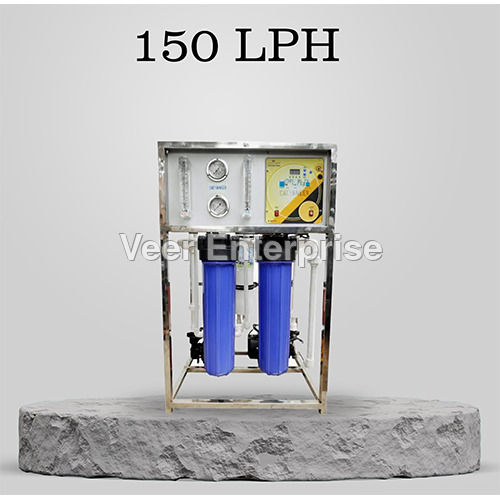




 Send Inquiry
 Send Inquiry
 Send SMS


 English
 Spanish
 French
 German
 Italian
 Chinese (Simplified)
 Japanese
 Korean
 Arabic
 Portuguese